Roundups
Best Seiko bracelet replacements
The factory bracelet is the weakest part of most affordable Seikos. Fixing it is the highest-value change you can make.
By Stephen V. · Updated Aug 8, 2026
Quick picks
| # | Watch | Key spec | Score | Price |
|---|---|---|---|---|
| 1 | 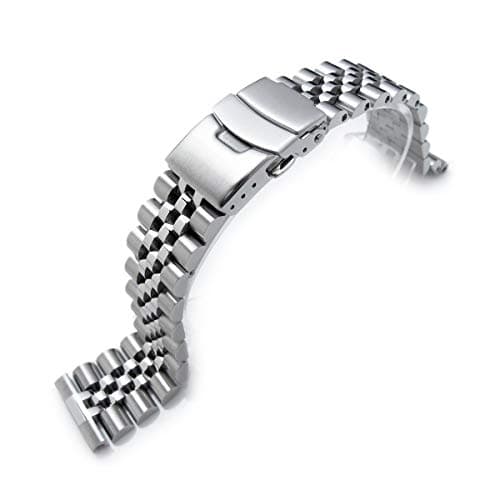 Strapcode Super-J Louis 22mm Bracelet A solid-link jubilee-style bracelet that fixes the one part of a cheap Seiko everybody complains about. | 22mm · solid link | 8.6out of 10, compiled from published specifications | |
| 2 | 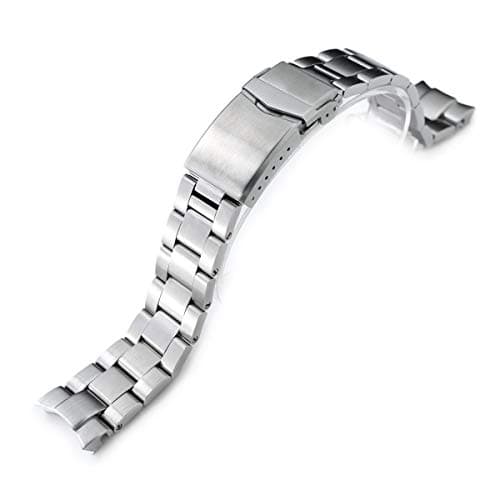 MiLTAT Super-O Boyer 20mm Bracelet A 20 mm oyster-style bracelet cut for Alpinist-family cases. The upgrade for a 20 mm-lug Seiko rather than a 22 mm one. | 20mm · solid link | 8.3out of 10, compiled from published specifications | |
| 3 | 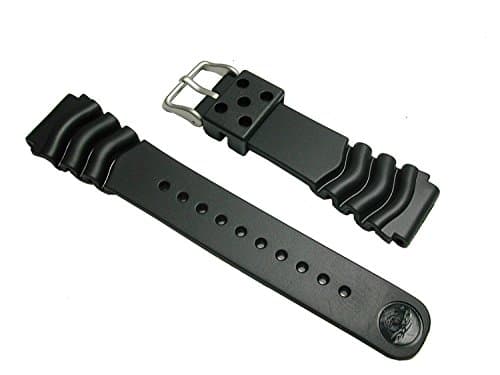 Seiko Genuine Diver's Rubber Strap 22mm Seiko's own diver's rubber. Not the most refined strap you can buy, but it is the one the watch was designed around. | 22mm · urethane | 8.3out of 10, compiled from published specifications | |
| 4 | 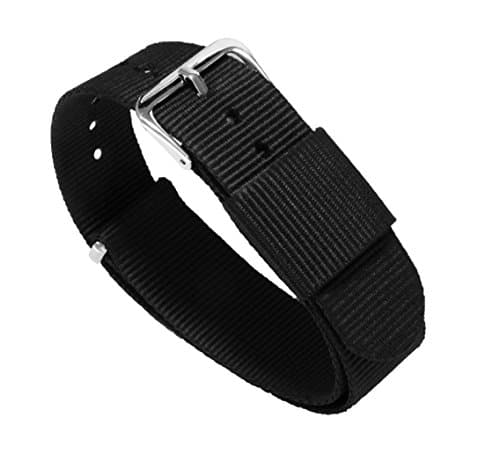 Barton Ballistic Nylon NATO 22mm The default cheap strap change. Ballistic nylon, hardware that does not rust, and it costs less than takeout. | 22mm · nylon | 8.8out of 10, compiled from published specifications |
4 picks · Prices last verified October 23, 2026. Where no live price came back we show “Check price” rather than a number we cannot stand behind. How we pick.
On most Seikos below the four-figure tier, the bracelet is the cheapest-feeling part of the watch. The case is solid, the movement is a genuine in-house caliber, the dial is well finished — and then the bracelet is folded steel with a pressed clasp, and it rattles, pinches and lets the whole watch down. It is also the easiest thing on the watch to fix, and fixing it is the single highest-value change most owners can make. A better bracelet or the right strap transforms how a watch wears far more than a dial variant or a crystal upgrade does.
This page is about what to put on instead, and there are two honest routes. One is a better bracelet — solid links, screwed pins, a proper clasp — that keeps the watch on steel but fixes everything wrong with the factory item. The other is to abandon steel entirely for rubber or nylon, which changes the watch’s character rather than just its quality. The four picks here cover both routes, and choosing between them starts with two measurements and one honest question about how you actually wear the thing.
Folded links versus solid links
This is the upgrade that justifies the whole exercise. A folded link is a strip of steel bent into a hollow box, which is light, cheap and prone to rattle and stretch. A solid link is milled from a single piece, so it is heavier, quieter and does not develop play over years of wear. The Strapcode jubilee-style bracelet here is the solid-link answer for a 22 mm Seiko, and swapping a factory folded bracelet for it is the change owners describe as making the watch feel like a different, more expensive object.
Screwed links versus pin-and-collar
How the links hold together decides how much you will curse resizing them. Cheap bracelets use a pin-and-collar system — a friction pin held by a tiny collar that loves to fall on the floor and vanish. Better bracelets use screwed links, which thread together, come apart cleanly with a screwdriver, and stay put afterward. Both solid-link picks here — the 22 mm Strapcode and the 20 mm MiLTAT — use screws, which is part of what you are paying for and a real quality-of-life difference the first time you size the bracelet. The resizing guide walks through the process.
Lug width — the measurement you cannot get wrong
Bracelet width is not negotiable, and it is the one place a confident guess ends in a return. Measure the gap between the lugs where the bracelet sits, in millimeters. Seiko’s diver-style 5KX and Turtle cases are almost all 22 mm; the smaller 5 Sports, the SPB divers and the Alpinist family are 20 mm. The Strapcode jubilee and the Seiko rubber here are 22 mm; the MiLTAT is 20 mm; the Barton NATO is 22 mm. Match the number before you look at anything else, because a 20 mm bracelet on 22 mm lugs simply will not attach, and the reverse leaves an ugly gap.
Curved ends versus straight ends
The last fit detail, and the one that separates a good swap from a perfect one. A curved or fitted end is shaped to close flush against a specific case, leaving no daylight in the lug gap. A straight end fits any watch of the right width but leaves a small visible gap on a curved-lug case. The trade is fit against flexibility: the straight-ended Strapcode and Seiko rubber will move between watches of the same width, while a case-specific curved end fits one family perfectly and looks wrong anywhere else. Neither is better in the abstract — it depends on whether you own one watch or five.
The strap alternatives
Not every bracelet problem is best solved with another bracelet. The Seiko genuine rubber is the factory-correct urethane strap the divers were designed around — cheap, straight-ended so it fits any 22 mm case, and stiff until it breaks in over a few weeks. The Barton ballistic nylon NATO is the cheapest change on this page and the most transformative for the money: nylon survives water where leather does not, the second layer means a broken spring bar cannot drop the watch, and it turns a diver into something you can wear to the beach without a second thought. The one caveat with a NATO is height — the strap passes under the caseback and lifts an already-tall watch further off the wrist.
Which route is yours
If the watch lives on steel and the folded bracelet is the thing bothering you, buy the solid-link bracelet in your lug width — the Strapcode at 22 mm, the MiLTAT at 20 mm — and fix the actual problem. If you want the watch to feel more casual, more waterproof or simply different, the rubber and the NATO change its character for a fraction of a bracelet’s cost. Many owners end up with both: a solid bracelet for most days and a nylon strap for the pool and the summer. The Turtle and the other Seiko divers are the watches this matters most on, because their cases are good enough to deserve better than what they ship on.
Match the bracelet to the case, not just the width
Width gets a bracelet onto the watch; case shape decides whether it looks like it belongs there. The MiLTAT Super-O is cut for the lug curvature of the Alpinist and SPB family, so it hugs those cases in a way a generic 20 mm bracelet does not, and the Strapcode jubilee is a straight-end 22 mm that suits the flatter-lugged 5KX and Turtle cases. A straight end on a strongly curved lug leaves a sliver of daylight that a fitted end closes. If you want the swap to look factory rather than aftermarket, match the end profile to the case as well as the millimeters.
The order to spend in
If you are upgrading a cheap Seiko, spend in this order: a comfortable strap or a solid bracelet first, because it changes the watch daily; the right tools second, because they protect the watch during the swap; and a case-specific fitted end last, because it is the refinement rather than the fix. Reversing that — chasing the perfect fitted end before the basic comfort problem is solved — is how people spend more on a bracelet than the watch cost and still reach for the old strap. Solve the thing that actually bothers you first.
Before ordering any of these, confirm two measurements on your own watch. The lug width decides what fits at all, and every tracked reference is listed in Seiko lug widths. The lug-to-lug decides whether the finished watch sits properly on your wrist, which is a separate question answered in will a Seiko fit my wrist.
The picks in full
Specifications are transcribed from Seiko’s published documentation. Prices come from Amazon and carry the date they were verified. We have not handled these watches — here is what we did instead.
Price as of October 23, 2026. Prices move — Amazon's is the one that counts.
#ad · we may earn a commission from this link to Strapcode Super-J Louis 22mm Bracelet
Strapcode Super-J Louis 22mm Bracelet
Best for: Replacing a folded-link Seiko bracelet
A solid-link jubilee-style bracelet that fixes the one part of a cheap Seiko everybody complains about.
- Spec completeness for the price
- 8.4
- Build quality for the price
- 9.0
- Fit range
- 8.2
- Durability
- 9.2
- Availability
- 8.0
What it gets right
- Solid links and screws instead of folded links and pins
- Diver's extension in the clasp
- Transforms how a sub-$350 Seiko feels on the wrist
What it gets wrong
- Costs a meaningful fraction of the watch
- Straight ends leave a small gap on curved-lug cases
- Sizing needs a screwdriver and patience
Skip this one if: you wear the watch on a strap anyway. A bracelet upgrade only pays off if the bracelet is what is actually on your wrist.
| Width | 22 mm, straight end |
|---|---|
| Material | 316L stainless steel |
| Links | Solid, screwed |
| Clasp | Diver's clasp with extension |
Price as of October 23, 2026. Prices move — Amazon's is the one that counts.
#ad · we may earn a commission from this link to MiLTAT Super-O Boyer 20mm Bracelet
MiLTAT Super-O Boyer 20mm Bracelet
Best for: 20 mm-lug Seikos — Alpinist, SPB, SRPG
A 20 mm oyster-style bracelet cut for Alpinist-family cases. The upgrade for a 20 mm-lug Seiko rather than a 22 mm one.
- Spec completeness for the price
- 8.3
- Build quality for the price
- 9.0
- Fit range
- 7.4
- Durability
- 9.2
- Availability
- 7.8
What it gets right
- Solid screwed links
- Case-specific curvature
- Fits the whole 20 mm Seiko range
What it gets wrong
- Case-specific fit
- Costs a real fraction of the watch
- Sizing takes time
Skip this one if: your watch has 22 mm lugs. Bracelet width is not negotiable — measure before you buy.
| Width | 20 mm |
|---|---|
| Material | 316L stainless steel |
| Links | Solid, screwed |
| Fit | Cut for Seiko Alpinist / SPB-family lug curvature |
Price as of October 23, 2026. Prices move — Amazon's is the one that counts.
#ad · we may earn a commission from this link to Seiko Genuine Diver's Rubber Strap 22mm
Seiko Genuine Diver's Rubber Strap 22mm
Best for: The factory-correct strap for a Seiko diver
Seiko's own diver's rubber. Not the most refined strap you can buy, but it is the one the watch was designed around.
- Spec completeness for the price
- 8.0
- Build quality for the price
- 7.6
- Fit range
- 8.8
- Durability
- 8.6
- Availability
- 8.4
What it gets right
- Seiko's own part
- Cheap
- Straight ends fit any 22 mm watch
What it gets wrong
- Seiko urethane is stiffer than aftermarket rubber
- Straight ends leave a lug gap on curved cases
- Attracts dust
Skip this one if: you want the strap to feel good immediately. Seiko urethane takes weeks to break in, and softer aftermarket rubber does not.
| Width | 22 mm |
|---|---|
| Material | Seiko urethane |
| Part number | DAL0BP |
| Fit | Straight end — fits any 22 mm lug |
Price as of October 23, 2026. Prices move — Amazon's is the one that counts.
#ad · we may earn a commission from this link to Barton Ballistic Nylon NATO 22mm
Barton Ballistic Nylon NATO 22mm
Best for: The cheapest way to make a Seiko feel like a different watch
The default cheap strap change. Ballistic nylon, hardware that does not rust, and it costs less than takeout.
- Spec completeness for the price
- 9.0
- Build quality for the price
- 8.6
- Fit range
- 8.8
- Durability
- 8.4
- Availability
- 9.4
What it gets right
- Adds about 15 dollars of change to a 300 dollar watch
- Nylon survives water, which leather does not
- The second layer means a broken spring bar does not drop the watch
What it gets wrong
- The extra strap layer raises the watch off the wrist
- 22 mm only — check your lug width first
- Nylon frays at the keeper eventually
Skip this one if: your watch already sits tall. Adding a NATO under a 13.4 mm SRPD makes an already thick watch thicker.
| Width | 22 mm — fits SRPD, Turtle, Samurai |
|---|---|
| Material | Ballistic nylon |
| Hardware | Stainless steel |
| Fit note | A NATO passes under the caseback and adds a few mm of height |
How to choose a bracelet or strap
Measure the lug width first, twice
Everything else is preference; this is physics. Put a ruler across the gap between the lugs and read the millimeters, then check it against the reference’s known width before you buy. The common Seiko widths are 20 mm and 22 mm, and they are not interchangeable — a millimeter out and the bracelet either will not fit or leaves a gap. If you are unsure which your watch is, confirm it before spending, because width is the one mistake a return cannot forgive cheaply.
Decide bracelet or strap by how you wear it
A bracelet upgrade only pays off if a bracelet is what is actually on your wrist most of the time. If you live on rubber or nylon, the money is better spent on a good strap than on a steel bracelet you will leave in a drawer. Be honest about your real habit rather than the one you imagine, because the best bracelet in the world is wasted on someone who reaches for a NATO every morning.
Weigh solid links against the cost
Solid, screwed links are the upgrade that makes a cheap Seiko feel expensive, and they cost a meaningful fraction of an entry-level watch. On an affordable Seiko that is money well spent, because the bracelet is genuinely the weak point. On a watch you wear on rubber anyway, or one whose factory bracelet is already solid, the case for the upgrade is weaker — spend where the actual deficiency is.
Match the end type to how many watches you own
If you own one watch and want the best possible fit, a case-specific curved end closes the lug gap perfectly and is worth the loss of flexibility. If you rotate several watches of the same lug width, a straight-ended bracelet or strap moves between them, and a small gap is a fair price for that versatility. Decide which you are before you pay for a fit you will not use.
Account for height with a NATO
A NATO strap passes under the caseback, which adds a few millimeters to how tall the watch sits. On a slim watch that is nothing; on a 13 mm-plus diver it can push an already-tall watch past comfortable. If your watch already wears high, a single-pass strap or a fitted rubber keeps the profile down where a NATO raises it.
Have the right tool before you start
A bracelet swap needs a spring-bar tool, and a screwed bracelet needs a small screwdriver as well. Doing it with a butter knife is how cases get scratched and spring bars go flying. The resizing guide covers the sequence and the tools; a few dollars of proper kit saves the finish on a watch worth far more.
Break-in is real, especially on Seiko rubber
A new strap rarely feels its best on day one. Seiko’s own urethane is notably stiff and takes weeks of wear to soften and take the shape of your wrist, where a softer aftermarket rubber is comfortable immediately. Nylon needs a wash or two to lose its factory crispness. None of this is a defect; it is worth knowing so you do not judge a strap in its first hour and conclude you bought the wrong one.
Solid does not automatically mean better for everyone
A solid bracelet is a genuine upgrade in feel and durability, but it also adds weight, and a heavy bracelet changes how a watch sits — some people love the planted feel and some find it swings around the wrist. If you have only worn folded bracelets or straps, expect a solid one to feel substantially more present. That is usually the point, but it is a change, not a universal improvement, and it is worth wearing for a week before deciding.
Keep the factory bracelet
Whatever you swap to, do not throw the original bracelet away. A watch sold later with its factory bracelet and box is worth more and easier to move than one that arrives on an aftermarket strap with the original long gone. Keep the removed links too — a future owner may have a larger wrist, and a complete bracelet is part of what makes the watch whole.
What fit charts cannot tell you
How a bracelet drapes on your particular wrist, whether a clasp digs in, how stiff the Seiko rubber feels before it softens. We have not handled these and will not pretend a width figure captures comfort — it gets you a bracelet that attaches and roughly suits the case, and the last of it is personal. The reassurance is that straps and bracelets are the easiest thing in watches to change your mind about, so a wrong call here costs the least of any watch decision you can make.
Questions
What is the difference between folded and solid links?
A folded link is a hollow strip of steel bent into shape — light, cheap, and prone to rattle and stretch over time. A solid link is milled from one piece, so it is heavier, quieter and holds up for years without developing play. Swapping a factory folded bracelet for a solid one is the change most owners say makes the watch feel like a more expensive object.
How do I know my Seiko's lug width?
Measure the gap between the lugs where the bracelet sits, in millimeters. Most diver-style Seikos — the 5KX and Turtle cases — are 22 mm; the smaller 5 Sports, the SPB divers and the Alpinist family are 20 mm. Width is not negotiable, so confirm the number before buying rather than guessing from photos.
Are screwed links better than pin-and-collar?
For resizing, decisively. Screwed links thread together, come apart cleanly with a screwdriver, and stay put; pin-and-collar systems use a friction pin and a tiny collar that easily drops and disappears. Both solid-link picks here use screws, which is part of what the upgrade buys.
Should I buy a curved-end or straight-end bracelet?
A curved, case-specific end closes the lug gap flush but fits only one case family; a straight end fits any watch of the right width but leaves a small gap on curved lugs. If you own one watch, buy the curved fit; if you rotate several of the same width, the straight end moves between them.
Is a NATO strap a downgrade from a bracelet?
No — it is a different thing for a different job. Nylon survives water leather cannot, the second layer stops a broken spring bar dropping the watch, and it makes a diver casual and summer-friendly for very little money. The one cost is height: a NATO passes under the caseback and lifts the watch a few millimeters off the wrist.
Sources
- Seiko Watch Corporation — US catalog and specifications
- Seiko instruction manuals and caliber documentation
- Seiko 5 Sports collection — official specifications
- Seiko Prospex collection — official specifications
Specifications are transcribed from manufacturer documentation and published standards. Where a manufacturer does not publish a figure, this page says so rather than estimating one.
Read next
- Best Seiko strapsThe wider strap picture, including leather and nylon options.
- Resizing a Seiko braceletThe tools and the sequence for sizing a screwed bracelet safely.
- Seiko Turtle SRPE99 referenceOne of the 22 mm cases these bracelets are cut to fit.
- Best Seiko dive watchesThe watches whose factory bracelets most deserve replacing.