Japan market
What does JDM mean for watches?
JDM covers two different things in watches, and conflating them is where the folklore comes from.
Japan market
What Japan-market really means for the watch, the warranty, and the price you pay.

JDM stands for Japanese Domestic Market: a product built and sold for buyers in Japan rather than for export. In watches the term covers two quite different things that get used interchangeably and should not be, and most of the confusion in this corner of the hobby comes from collapsing them together.
The first is a reference that is only sold in Japan — an SARB, SARY, SBDC, SZSB or SBDL prefix with no international equivalent. These are genuinely different watches. Seiko builds dials, case finishes and sometimes entire lines exclusively for the domestic market, and the only way to own one abroad is through a gray-market seller or a proxy service. That is a real category and the interesting one.
The second is the J-suffix versus K-suffix distinctionon references that are sold internationally — SNK809J1 against SNK809K1, for example. This is the one wrapped in folklore. The suffix indicates the assembly location: J for Japan, K for Seiko’s other assembly facilities. The folklore says the J-suffix watch is better finished, better regulated, more carefully assembled. Seiko’s own published specifications for the two are identical, and no source we could find offers measured evidence of a difference. We go through this in detail, including what does genuinely differ — packaging, documentation language, and sometimes the dial printing on the “Made in Japan” line.
Warranty is the real one. A watch bought through a Japanese seller carries a Japan-market warranty. Whether a Seiko service center in your country honors it depends on the country and often on the individual center, and many third-party sellers substitute their own warranty instead. This is the single thing to check before you buy, and it is the thing sellers are least clear about.
Price can go either way. Popular JDM references frequently cost more abroad than they do in Japan, because the gray-market seller is pricing scarcity. Some domestic references are genuinely cheaper. The only way to know is to check, and the currency and shipping arithmetic changes the answer often enough that a figure written six months ago is not usable.
Documentation is Japanese. The manual, the warranty card and the packaging will be in Japanese. Seiko publishes English instruction manuals for most calibers on its website, so this is a minor inconvenience rather than a real problem, but it surprises people.
Returns are harder. An international purchase from a Japanese retailer is not a domestic return. Factor that into the decision on an expensive reference.
For a JDM-only reference — an SARY dial you cannot get any other way, an SBDC Alpinist — the answer is often yes, provided you understand the warranty position and buy from a seller with a track record. For a J-suffix version of a watch that is sold in your country anyway, the honest answer is usually no: you are paying a premium for a two-letter difference in the reference number, and Seiko’s own documentation does not support the claim that the watch is better.
The pages in this section work through both cases with the actual references, the actual differences, and current prices where we can verify them. Start with what JDM means if you are new to the term, or JDM vs international if you already know and just want the J-versus-K question settled. The sharpest version of the allocation problem is the limited editions: Seiko’s anime collaborations are the standard 5 Sports case underneath, produced once and then delisted — Seiko takes the product pages down, which is why they are so hard to research and so easy to counterfeit.
8pages. Prices are pulled live and carry the date they were checked; where we could not verify one, the button reads “Check price” rather than showing a number we cannot stand behind.
Japan market
JDM covers two different things in watches, and conflating them is where the folklore comes from.
Japan market
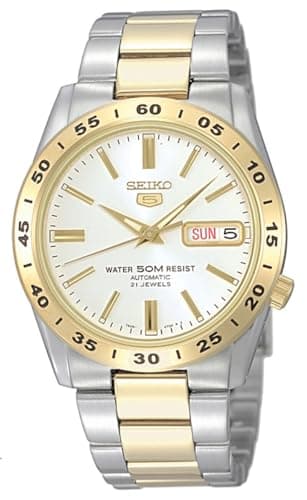
Does a J-suffix Seiko differ from a K-suffix one? What the specifications actually say.
Top pick
Seiko 5 SNKE04
Price as of October 23, 2026. Prices move — Amazon's is the one that counts.
#ad · we may earn a commission from this link to Seiko 5 SNKE04
Best JDM pick
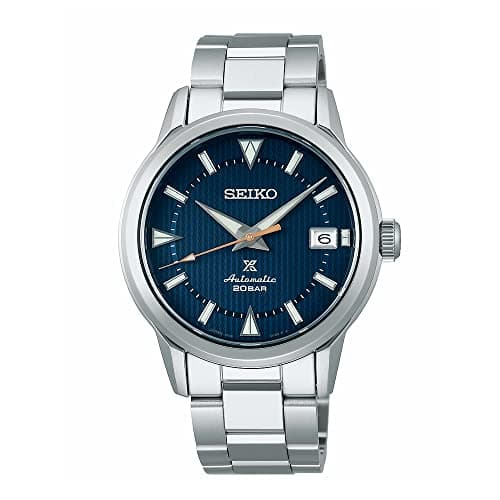
Japan-only references worth importing, with the warranty caveat stated plainly on each.
Top pick
Seiko Prospex Alpinist SBDC159
No buyable offer at the last check (October 23, 2026). We show nothing rather than a stale number.
#ad · we may earn a commission from this link to Seiko Prospex Alpinist SBDC159
Japan market
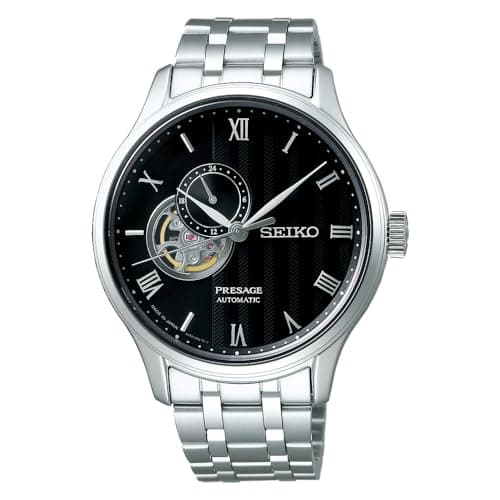
Tax-free purchase rules, warranty coverage, and what to check at the counter before paying.
Top pick
Seiko Presage SARY093
Price as of October 23, 2026. Prices move — Amazon's is the one that counts.
#ad · we may earn a commission from this link to Seiko Presage SARY093
Japan market
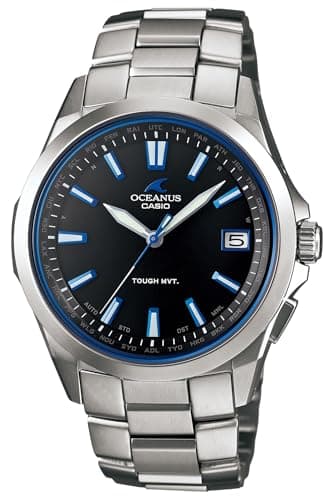
Titanium, sapphire and radio sync — Casio's Japan-market line, and why nobody outside Japan knows it.
Top pick
Casio Oceanus OCW-S100
$614.458% off
Price as of October 23, 2026. Prices move — Amazon's is the one that counts.
#ad · we may earn a commission from this link to Casio Oceanus OCW-S100
Best Japan-only model
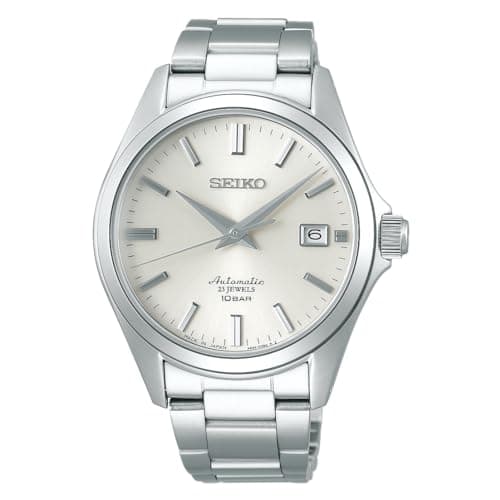
What makes a reference genuinely Japan-only, three worth the import, and the warranty caveat that applies to all of them.
Top pick
Seiko Mechanical SZSB011
No buyable offer at the last check (October 23, 2026). We show nothing rather than a stale number.
#ad · we may earn a commission from this link to Seiko Mechanical SZSB011
Japan market
The channels for a Japan-market Seiko, how to vet a seller, and the warranty question to settle before you pay.
Japan market
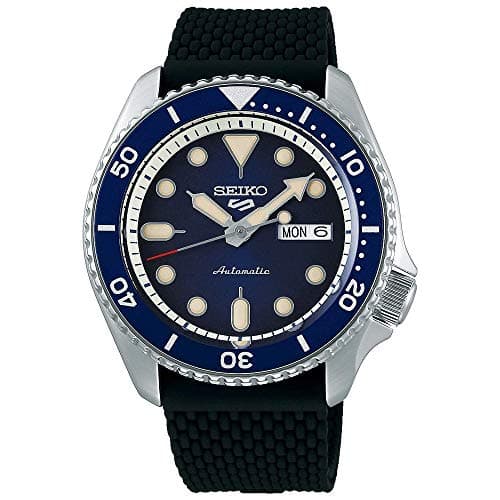
How Seiko's anime and character collaborations work, why Seiko takes the pages down, what the watches share with the standard 5 Sports, and the base references you can buy today.
Top pick
Seiko 5 Sports SRPD93
No buyable offer at the last check (October 23, 2026). We show nothing rather than a stale number.
#ad · we may earn a commission from this link to Seiko 5 Sports SRPD93