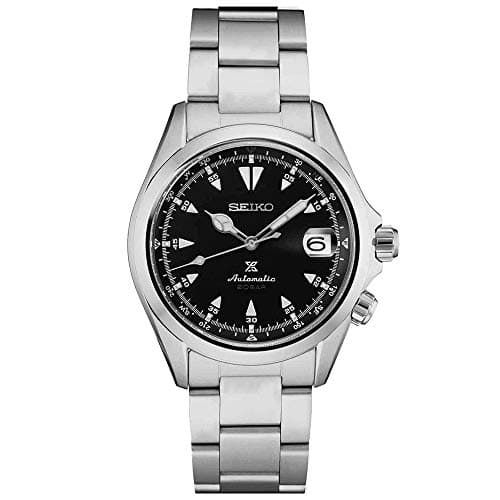
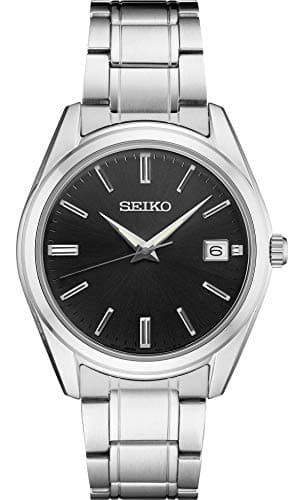
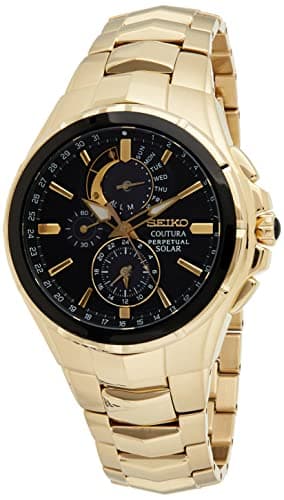
Two watches, one table, and a plain statement of which to buy and why.
A comparison page has one job: put the numbers side by side and then say which one to buy. Most of them do neither. They alternate paragraphs about each watch for two thousand words and close with “it depends on your preference,” which is a way of avoiding the only sentence the reader came for.
Every page in this section opens with a single table containing both watches’ published specifications in the same rows, in the same units, so the differences are visible without scrolling back and forth. Then a verdict paragraph. Then two lists: buy A if and buy B if. If one of them is simply the better watch, the page says so.
The three kinds of comparison
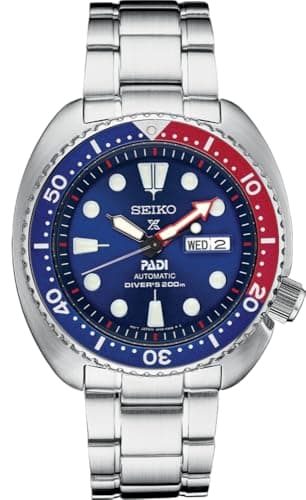
Line versus line inside Seiko. Seiko 5 against Prospex is the one people search most, and it is genuinely confusing because the two lines overlap on price while differing on the thing that matters — a Seiko 5 is water-resistant, a Prospex diver is ISO 6425 rated. That is not marketing, it is a testable standard, and it is the reason the same 4R36 movement sits in watches a hundred dollars apart. See Seiko 5 vs Prospex. Inside Prospex itself the question narrows to case against case: the Sumo and the Samurai share a dive rating and a 20 mm lug width, and differ on crystal, power reserve and 3.1 mm of lug-to-lug. Across the line rather than inside it, diver against GMT is the fork most buyers in this bracket actually face: the 4R34 trades the day window and half the depth rating for a 24-hour hand, and that is the whole decision. Narrower still, inside one case: the Turtle against the King Turtle is nine identical specification rows and four that differ — sapphire, a ceramic insert, a date magnifier and what the watch arrives on — which makes it the clearest example on the site of what a materials upgrade actually buys. And the comparison nobody realises they are making: Seiko 5 against Seiko 5 Sports — same badge, two separate collections, with hand-winding, hacking seconds and 70 metres of water rating between them.
Seiko against the other Japanese brands. Citizen and Orient are the real competition, and pretending otherwise does the reader no favors. Orient’s Kamasu ships a sapphire crystal at a price where Seiko still fits Hardlex — that is a genuine, specific loss for Seiko and we say so. Citizen’s Eco-Drive is the most mature light-powered platform anyone makes. Where the rival wins, the page says the rival wins. Seiko Solar vs Citizen Eco-Drive puts the two light-powered systems side by side from each brand’s own manuals.
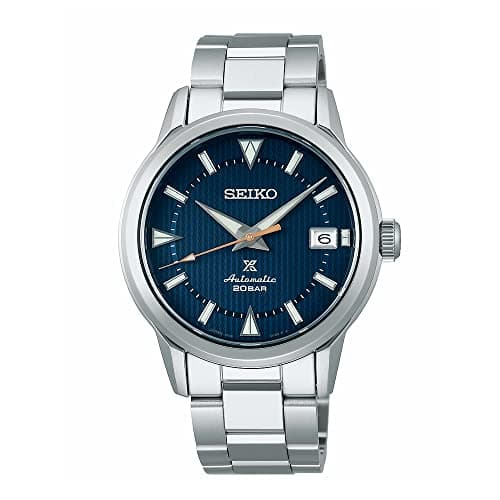
Seiko against Swiss. This is where comparisons usually collapse into brand loyalty. The useful version is narrow and concrete: a Seiko Alpinist against a Hamilton Khaki Field is a real decision people make at a real price point, and it turns on power reserve, winding method and case thickness rather than on which country assembled it. Seiko vs Hamilton widens it to the two brands.
Technology against technology. Some comparisons are not between watches at all. Seiko quartz vs automatic sets the same-money pair side by side, and it is the decision that sits underneath most of the others.
How to read a spec table without being misled
Three habits will save you from most comparison-shopping mistakes. First, compare lug-to-lug, not diameter — diameter is the number brands put in the marketing and lug-to-lug is the number that determines fit. Second, read the water resistance as a system, not a number: 200 m with a screw-down crown and an ISO marking is a different object from 200 m without one. Third, check whether the beat rates differ before you pay for a “better movement” — Seiko’s 4R and 6R families both run at 21,600 vph, so stepping up buys you power reserve and accuracy tolerance, not a smoother seconds hand. That last one catches people constantly.
One more: a spec table cannot tell you about finishing. Dial texture, case polishing, bracelet feel and how the bezel action sounds are real differences that no published figure captures, and we are not going to pretend a number stands in for them. Where a comparison turns on finishing rather than specification, the page says that explicitly and tells you to go and look at both.
Prices on every page here come from Amazon and carry the date they were checked. Where we could not verify a live price, the page shows no number at all rather than a remembered one.
Everything in Compare
26pages. Prices are pulled live and carry the date they were checked; where we could not verify one, the button reads “Check price” rather than showing a number we cannot stand behind.
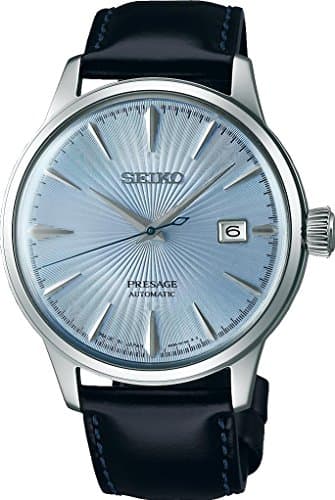
The Cocktail Time's box-crystal automatic against the quartz PRX's sapphire and integrated bracelet. Mechanical character versus Swiss finishing, and how to choose.
Seiko's mechanical 4R36 against Citizen's light-powered Eco-Drive. Automatic character and a strap ecosystem versus 200 m solar accuracy with no winding or battery.
Not competitors but different leagues. Why 'Seiko vs Rolex' gets asked, what ten-to-twenty times the price buys, and where Seiko delivers real in-house watchmaking cheaply.
Grand Seiko is an independent luxury brand; mainstream Seiko is the value line. Zaratsu polishing and Spring Drive against 4R and 6R automatics, and where the split falls.
Both brands' solar calibers compared from their own instruction manuals: rate, reserve, charging time and the cell nobody mentions. Plus which one to buy.
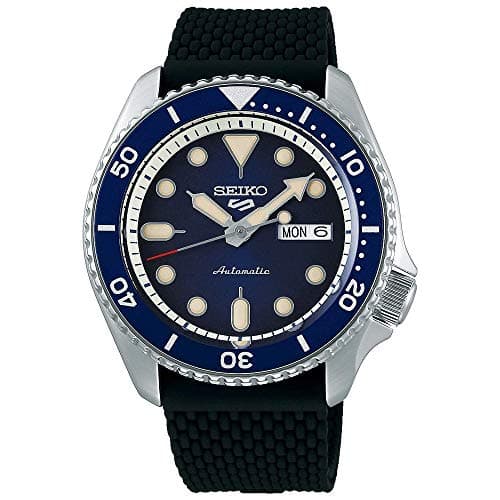
The classic Seiko 5 against the 5 Sports on published specifications: caliber, water resistance, case size, crystal and lug width — and which one is actually still in production.