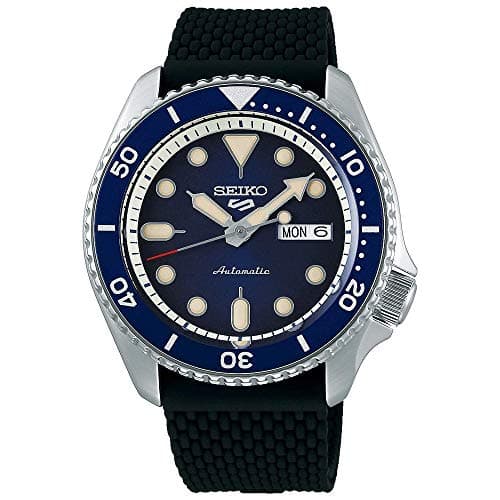
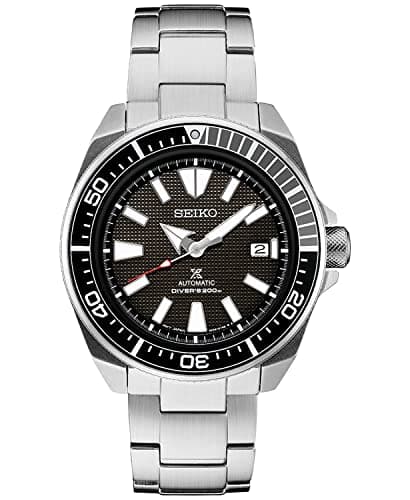
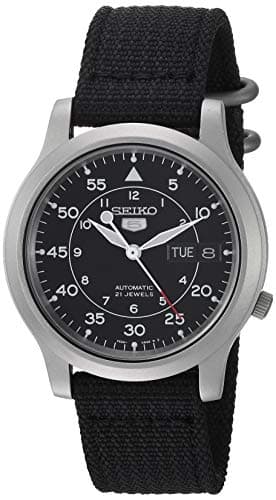
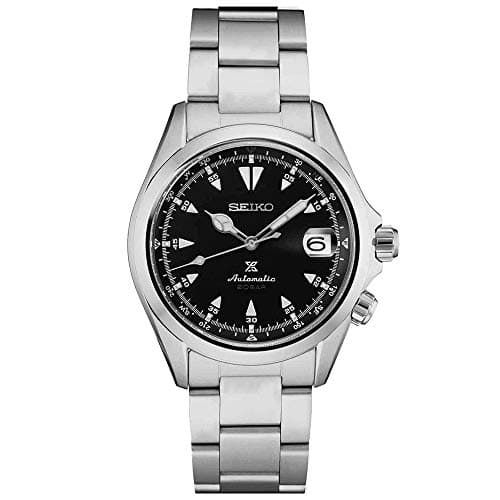
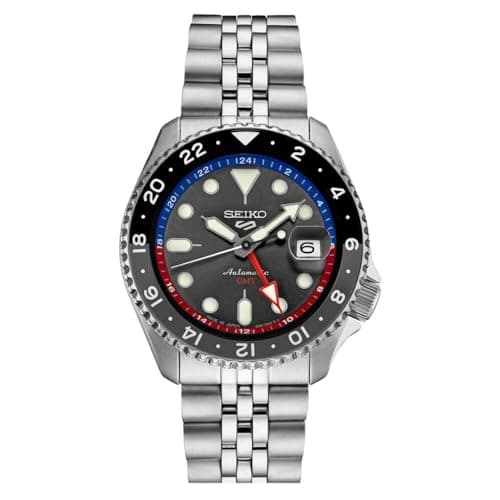
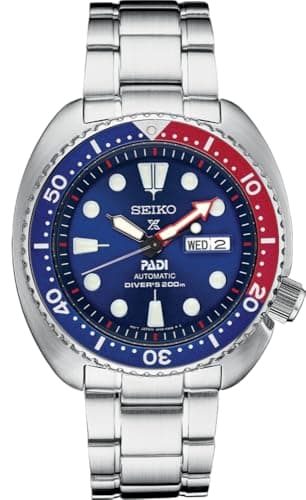
This is the part of the Seiko world nobody has written down properly. Forum threads argue about NH35 against 4R35 constantly and have nowhere authoritative to point, because the movements are documented across a scatter of spec sheets, retailer listings and enthusiast folklore, and the folklore is frequently wrong. These pages are an attempt to fix that: one page per caliber, the published figures in a table, and a plain statement of what the differences actually mean when the watch is on your wrist.
The single most useful thing to understand
The NH35 and the 4R35are the same movement. Seiko Instruments — the Seiko group division that manufactures movements for sale to other companies — sells it to the outside world as the NH35 and supplies it to Seiko’s own watch division, which calls it the 4R35. Same architecture, same 21,600 vph beat rate, same 41-hour power reserve, same 24 jewels. Seiko regulates and specifies its own watches to a stated accuracy of -35 to +45 seconds per day; the NH35 sold to third parties carries a slightly wider stated tolerance. That regulation difference is the honest answer to “what’s the difference,” and it is much smaller than the internet suggests.
The practical consequence: a microbrand watch running an NH35 has, mechanically, the same movement as a Seiko 5 Sports. What you are paying Seiko for is the case, the dial, the regulation and the service network — not a fundamentally better engine.
The NH family extends beyond the date and day-date versions, and two of its relatives come up in almost every modding thread: the no-date, open-heart NH38 and the skeletonized NH70. Both pages work from the manufacturer’s own specification sheets, including the hand sizes.
How to read a caliber spec
Beat rateis stated in vibrations per hour. 21,600 vph is six beats per second, which is what almost every Seiko movement at these prices runs at, including the expensive ones. It is why a $700 Seiko’s seconds hand does not sweep more smoothly than a $300 one. Movements at 28,800 vph — eight beats — look visibly smoother, and Seiko largely does not build them in this range.
Power reserve is how long the watch runs after you stop wearing it. 41 hours means take it off Friday evening and it has stopped by Sunday morning. 70 hours — the 6R35 — means it is still running Monday. That is a genuine quality-of-life difference and it is most of what the step up in price buys.
Hacking and hand-winding are the two features whose absence people notice most. Hacking means the seconds hand stops when you pull the crown out, so you can set the watch to the second. Hand-winding means you can wind it without shaking it awake. The 7S26 has neither, which is the single biggest practical difference between an older Seiko 5 and a current one.
Stated accuracyis a factory specification, not a promise about your individual watch. -35 to +45 seconds per day is a wide window and most examples land well inside it. It also is not directly comparable to a chronometer figure, which is measured under controlled conditions in multiple positions; Seiko’s number is a simpler production tolerance.
The calibers without a mainspring
Not every Seiko movement is mechanical, and the non-mechanical ones get the same treatment. The solar calibers charge a rechargeable cell from light. Kinetic charged one from a rotor instead, and Seiko no longer lists it, which is exactly why it has a page of its own: the question of Kinetic against automatic and solar comes up constantly with used watches, and the reserve, accuracy and cell-life figures Seiko published for it are laid out there beside the current solar and automatic references that now do its jobs. Spring Drive is the third non-mechanical answer, and a different idea from either.
What is not on these pages
We have not opened, timed or regulated any of these movements. There are no measured accuracy figures here, no timegrapher traces, no amplitude numbers — because producing those would require equipment we do not have and access we do not have, and inventing them would be worse than useless. Every figure on these pages is a published specification with its source named. Where a figure is disputed between sources, the page says so and shows both. Where Seiko does not publish something, the page says that too.