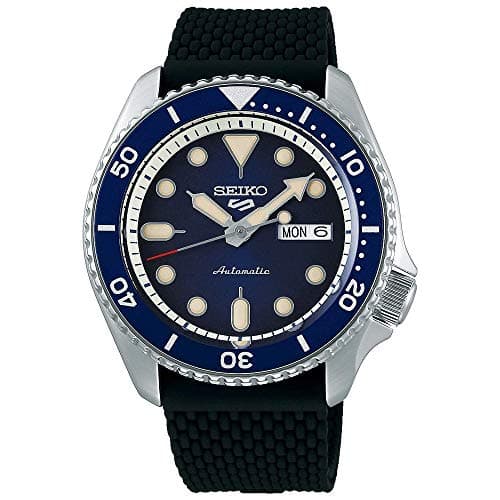
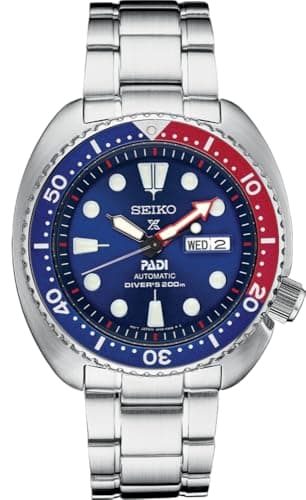
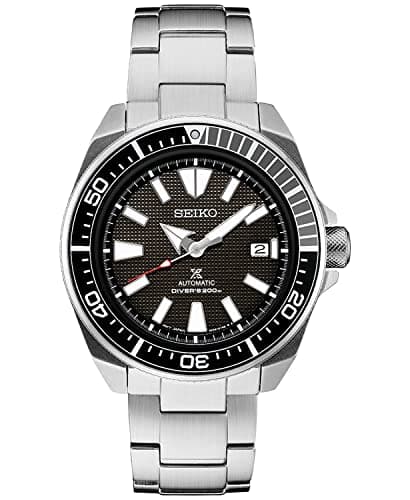
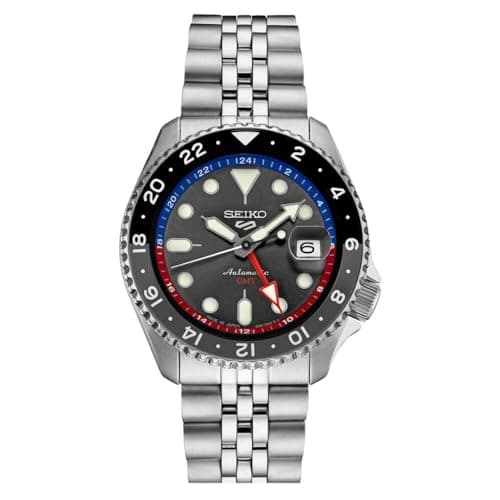
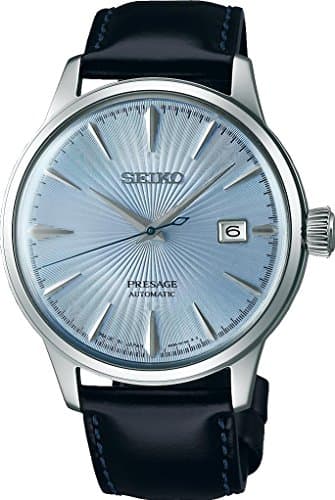
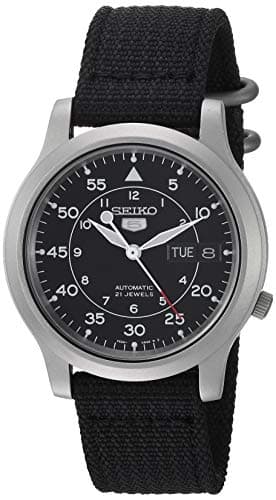
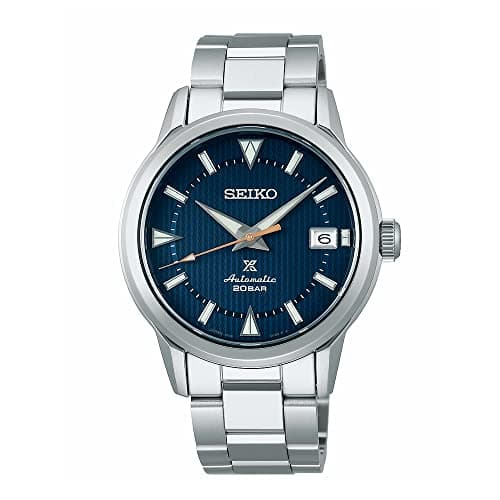
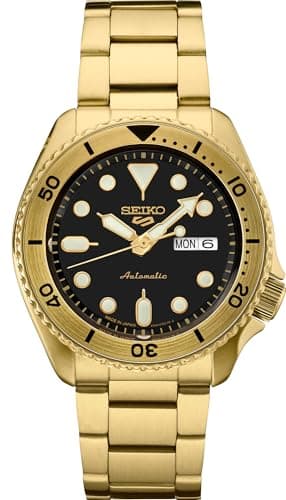
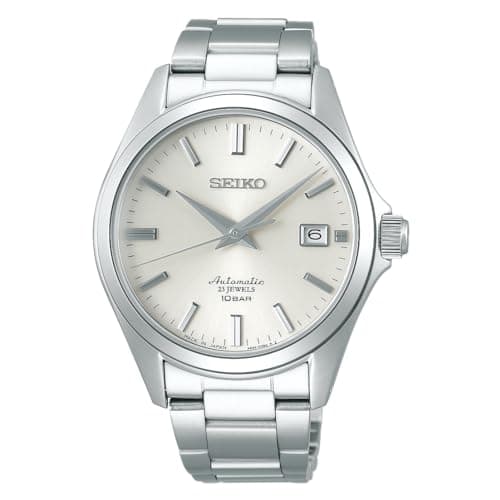
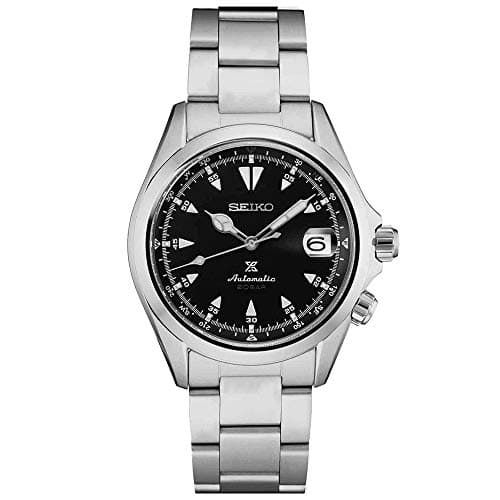
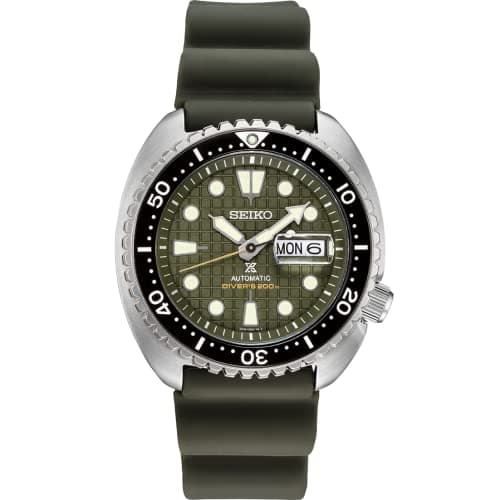
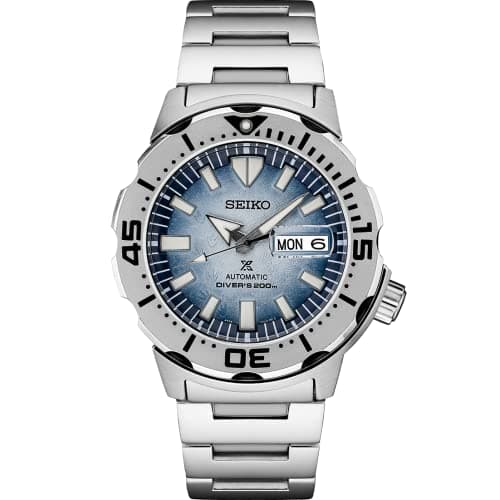
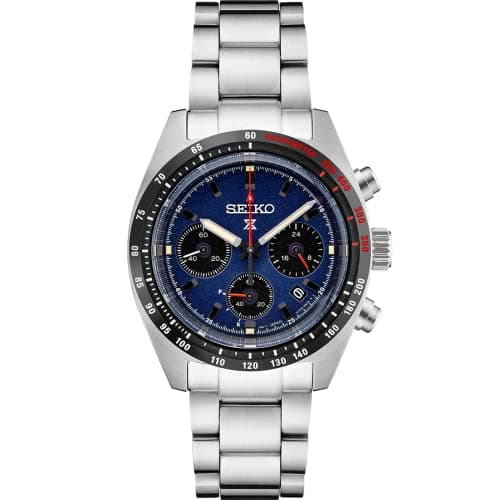
Case, lug-to-lug, caliber, crystal, rating, lug width — sourced, in one place per reference.
Seiko’s reference numbers are the most useful thing about the brand and the most off-putting. SRPD93, SRPE99K1, SNK809K2 — they look like part numbers because they are part numbers, and once you can read them they tell you more than any product name. These pages exist because someone searching “SRPD93” wants the specification for that exact reference, not a general article about the Seiko 5 line.
How to read a Seiko reference number
The first three or four characters identify the case and movement family. SRP and SRPD are the 4R-powered Seiko 5 and Prospex families. SNK and SNXS are the older 7S26 Seiko 5s. SPB is the 6R-powered Prospex line. SSK is the 4R34 GMT family. SBDC, SARB, SARY and SZSB are Japan-market prefixes. The digits that follow identify the specific dial, bezel and bracelet combination.
The trailing letter is the assembly market — J for Japan, K for elsewhere — and the final digit is usually the strap or bracelet variant. So SRPF03K1 is a K-market SRPF03 on bracelet variant 1. Two references that differ only in that trailing block are, by Seiko’s own specification, the same watch; we cover what that does and does not mean in the JDM section.
What is on each page
Case diameter, lug-to-lug, thickness, lug width, crystal material, water-resistance rating with the standard it references, caliber with its full spec, and the current Amazon price with the date it was checked. Where Seiko does not publish a figure — and for several references it does not publish lug-to-lug — the row says “Not published by Seiko” rather than carrying an estimate. That is a deliberate choice: a made-up millimeter on a page someone is using to decide whether a watch fits is worse than an honest gap.
Each page also links to the caliber inside it, to the roundups where that reference appears, and to the comparisons it features in. The reference pages are the connective tissue of this site — a reader arrives on one from a search, and from there the whole structure is one click away.
The numbers that actually decide the purchase
Lug-to-lugfirst, always. It is the length of the watch across your wrist, and it is what determines whether the lugs overhang the edge. A useful rule: your wrist width in millimeters is roughly the maximum lug-to-lug you can wear comfortably, and most people’s wrists are between 50 mm and 65 mm across. This is why the Turtle, with a 45 mm case but a 47.7 mm lug-to-lug, fits people that a slimmer-looking watch with longer lugs does not.
Thicknesssecond. Anything over about 13 mm will catch on a shirt cuff. Most Seiko divers are 12.5–13.5 mm and the Seiko 5 Sports 5KX case is 13.4 mm, which is why people who wear long sleeves daily often end up on the smaller SRPG references at 11.7 mm.
Lug width third, because it decides your strap options. 20 mm and 22 mm are the two big aftermarket sizes; 18 mm is noticeably thinner on the ground. If you intend to change straps — and on a Seiko, most people do — this number quietly matters more than the dial color you are agonizing over.
Case diameter is the number every retailer leads with and the least useful of the four. A 45 mm cushion case and a 45 mm round case with long lugs are completely different objects on the wrist. We publish diameter because people search for it, and then we tell you to look at the other three. The clearest demonstration on the site is the King Turtle SRPF77: a 45 mm case with a 47.7 mm lug-to-lug, which is a shorter footprint than most 42 mm watches and the reason the Turtle shape fits wrists its diameter says it should not.
Two references published here show what happens when Seiko leaves one of those four numbers out. The Prospex SRPG57 is the narrowest and slimmest 200 m ISO diver in current production — 42.4 mm across and 12.3 mm thick, on the better-supplied 20 mm lug width — and Seiko publishes no lug-to-lug for it at all, so the page says so rather than guessing. The Speedtimer SSC815 has the same gap on a 39 mm solar chronograph whose 13.3 mm height is the figure that decides how it wears. In both cases the missing row is the honest answer, and the power reserve guide is where the fifth number — how long either one runs once it is off your wrist — gets worked out across all four of Seiko’s power systems.
Everything in Watches
15pages. Prices are pulled live and carry the date they were checked; where we could not verify one, the button reads “Check price” rather than showing a number we cannot stand behind.
45 mm cushion case, 47.7 mm lug-to-lug, sapphire with a magnifier, black ceramic insert, 200 m ISO 6425 — the live King Turtle reference, against the standard Turtle it upgrades.
42.4 mm, 12.3 mm thick, 20 mm lugs, Hardlex, 200 m ISO 6425, caliber 4R35 — the slimmest current Prospex diver, and what Seiko does not publish about it.
39.0 mm, 13.3 mm thick, curved sapphire, 100 m, caliber V192 solar chronograph with a published six-month reserve — the smallest case Seiko puts this movement in.